rear end collision fault bc
The vast majority of rear-end collisions are the fault of the driver of the car or other vehicle making contact with the rear of the one in front of it but this is not always the case. Motor Vehicle Act Section 162 Generally the courts will rule that a vehicle that rear-ends a vehicle in front is 100 per cent at fault.
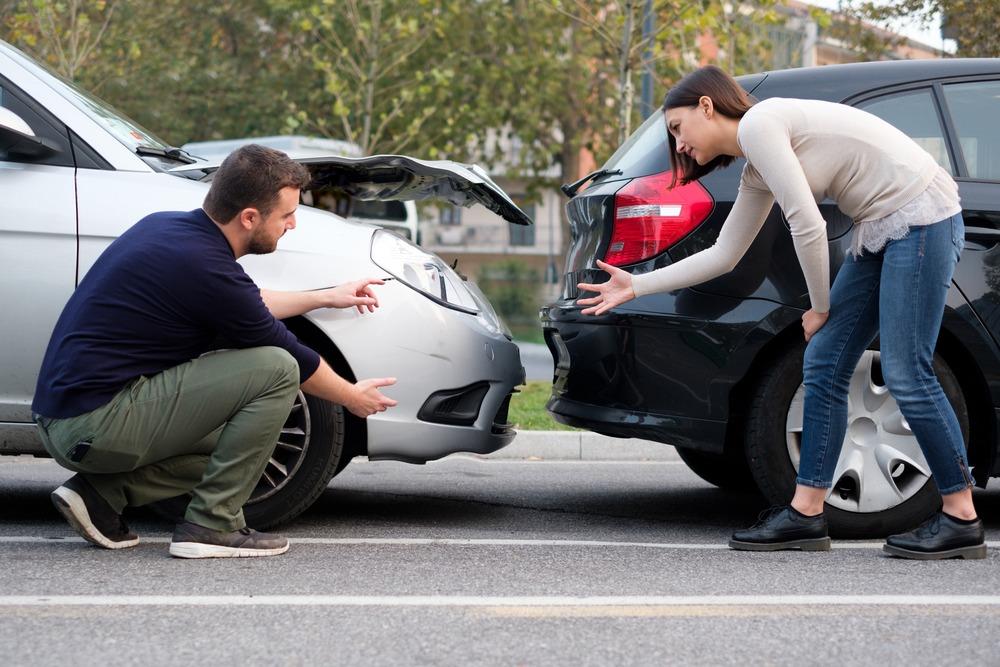
Can You Sue After A Rear End Collision John Foy Available 24 7
The driver in front accelerated in reverse.

. As Ive previously written If a vehicle is involved in a rear-end collision the rear motorist is usually found 100 at fault. This belief stems from the notion that drivers can see what is ahead and should be concerned with obstacles in front of them therefore a driver should reasonably be able to stop or otherwise avoid striking other cars from behind. One way of determining who is at fault for rear-end accidents would be the extent of the damage to the vehicle.
This can range from dented bumpers and broken lights to caved-in trunks and misaligned steering columns. Typically the driver follows the front vehicle too closely or tailgates in violation of Section 162 of The Motor Vehicle Act. Drowsy or fatigued driving.
Whenever you are on the road with a vehicle you need to be very careful as accidents do not always happen from the front end. Rear-end collisions are the most common type of car accident that occurs on roads across the United States. A sudden stop by the car in front.
In some of these cases ICBC has refused to pay compensation because the damage was only. Aside from physical consequences rear-end collisions can also result in various levels of damage to the vehicles involved. In the majority of rear-end accidents the driver in the rear vehicle is at fault.
While the rear driver is often at fault for following too closely or distracted driving the lead driver can also be at fault. Rear-end collisions arent always the fault of the rear driver. If you file a rear-end accident claim for collision with ICBC a claims adjuster will check evidence and other issues and determine the actual fault whos its.
There were few vehicles in the left lane as it was closed to. The injured driver claimed the defendant stopped without warning. Matthies 2017 BCSC 839 a plaintiff was injured when he drove his motorcycle into the back of the defendants red truck while driving in Mission BC.
Up to 25 cash back Get the basics on proving fault for a car accident Establishing Fault for Rear-End Accidents. However without 100 percent certainty that the rear driver is negligent theres always a chance to prove otherwise. There is a myth that the car in the rear is always at fault when they get into a crash with the vehicle that is in front of them.
Who Was At Fault in Your Rear-End Collision. A classic example is an aggressive driver who is tailgating the car in front of it because he or she is in a rush to get to a destination. When the Lead Driver Can Be at Fault in a Rear-End Accident.
There are exceptions to this general rule however and one such exception was demonstrated in reasons for judgement released today by the BC Supreme Court New Westminster Registry. Many rear-end collisions are caused by the above reasons. There are multiple vehicles involved and another car pushed their vehicle forward.
The driver of the car behind may have all the blame on why you stopped but it will not change that driver. There are some situations where the driver in the back may not be liable for a rear-end collision. The driver of the car that rear-ends a leading vehicle will almost always be at least partially negligent negligence is the legal principle that determines fault for a car accident.
Reasons for judgement were released last week discussing fault for a rear-end motor vehicle collision which occurred after the Plaintiff made a lane change into the Defendants lane of travel. When the lead car hits the brakes there is not enough time for the trailing car to stop without crashing into the rear fender causing damage to the vehicle and physical injuries. Rear-end Collision A vehicle must be far enough behind the vehicle it is following to be able to stop safely even in an emergency.
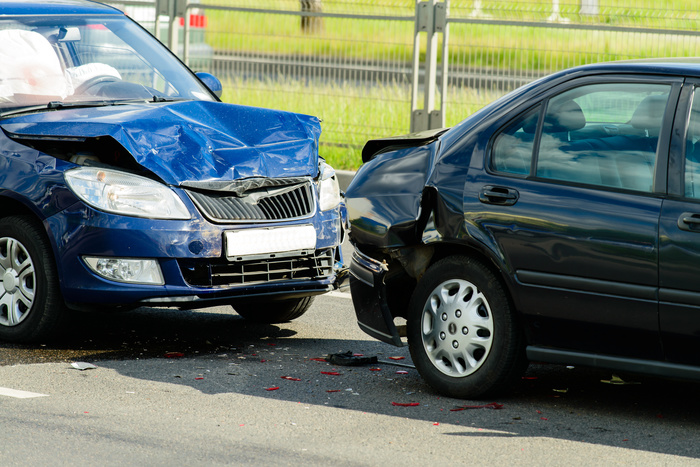
With this specific type of crash one driver has hit another causing damage to one cars rear-end and the other cars front end. Sometimes it happens from the rear-ender collision. Whenever you are on the road with a vehicle you need to be very careful as accidents do not always happen from the front end.
Common causes of these collisions include. A rear end driver may not be to blame or may only be partially to blame in any of the following situations. The most severe accidents may even involve multi-car pileups and totaled vehicles.
Rear-end collisions In the past 11 years the majority of our clients have been people involved in rear-end collisions. The reality is that either driver could be at fault. In almost all cases involving rear-end.
If you have a dash cam in your vehicle for example showing the authorities that the other vehicle was stopped suddenly and for no. The Supreme Court of British Columbia recently revisited liability in rear end collisions. ICBC Rear End Collision Claims Vancouver BC Office.
If the cars rear end is damaged and the other cars front is damaged the argument could be neutral about who hit whom. Common injuries from rear-end collisions include whiplash and back injuries. Following another vehicle too closely.
These clients have chosen to work with us because we are not afraid to take on challenging cases. A rear-end collision is characterized by a car accident in which a vehicle crashes into the one in front of it. Most drivers assume that any accident involving a rear-end collision is always the fault of the driver in the back.
Rear-end collisions can occur when the following driver is not paying enough attention or if the leading driver does not have working brake lights. There are many instances where the lead drivers behaviors or vehicle conditions are proven to. Rear-end collisions arent always the fault of the rear driver.
This is because every driver has a duty to follow other vehicles at a safe distance. When Colorado drivers find themselves involved in a rear-end collision they will likely seekRead More. However in some cases the vehicle in front will be found at fault.
In California victims of rear-end accidents have to determine the at-fault driver before filing an auto insurance claim. While some rear-end collisions are mere fender benders others can be more serious causing serious injury. Ismail the Plaintiff was driving in bumper to bumper traffic in the right lane of a highway.
In last weeks case Perry v.
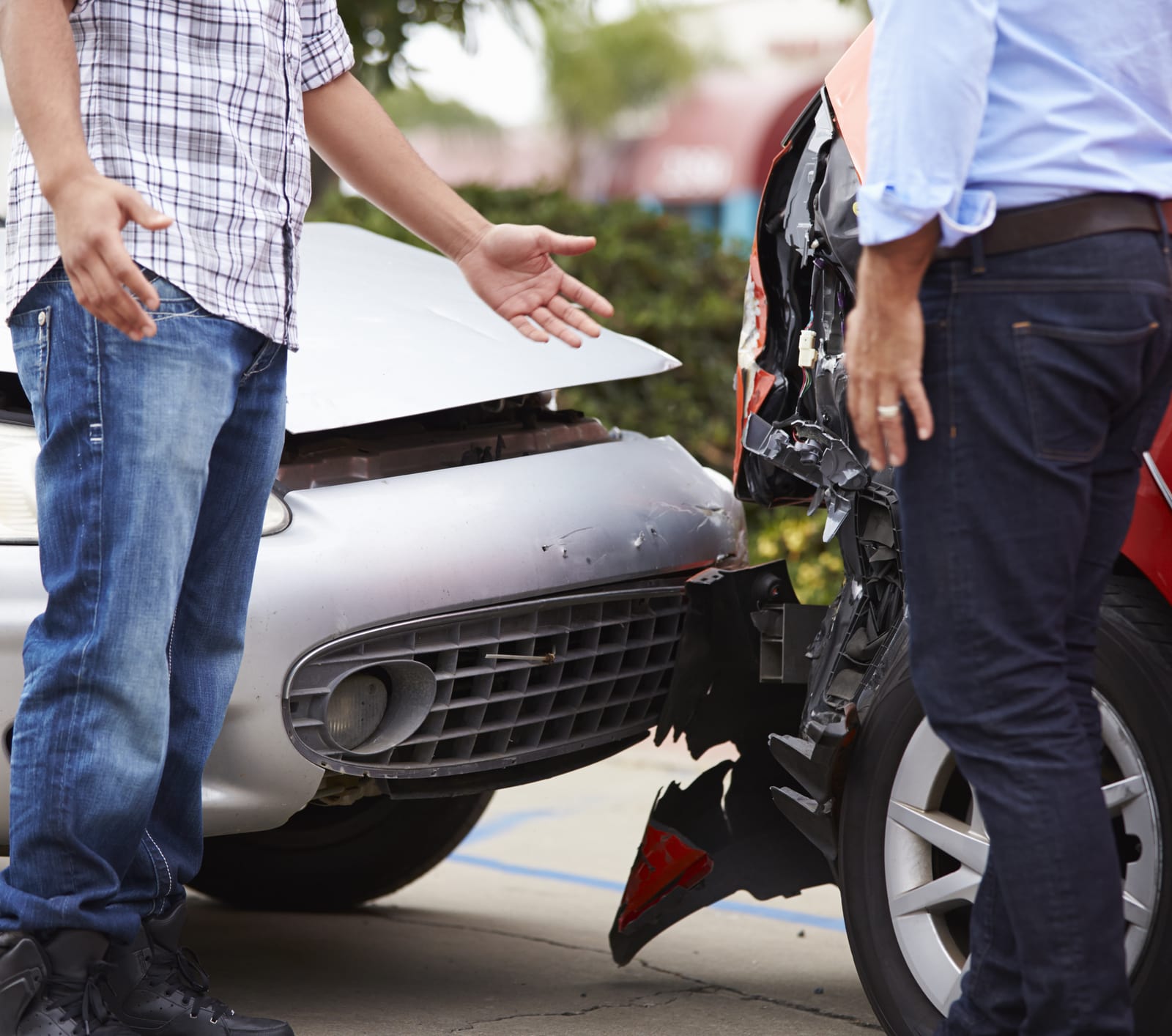
Fault Vs No Fault Accidents And Auto Insurance Claims Valuepenguin

Low Speed Big Problem Rear End Collisions And Whiplash Surrey Family Chiropractic
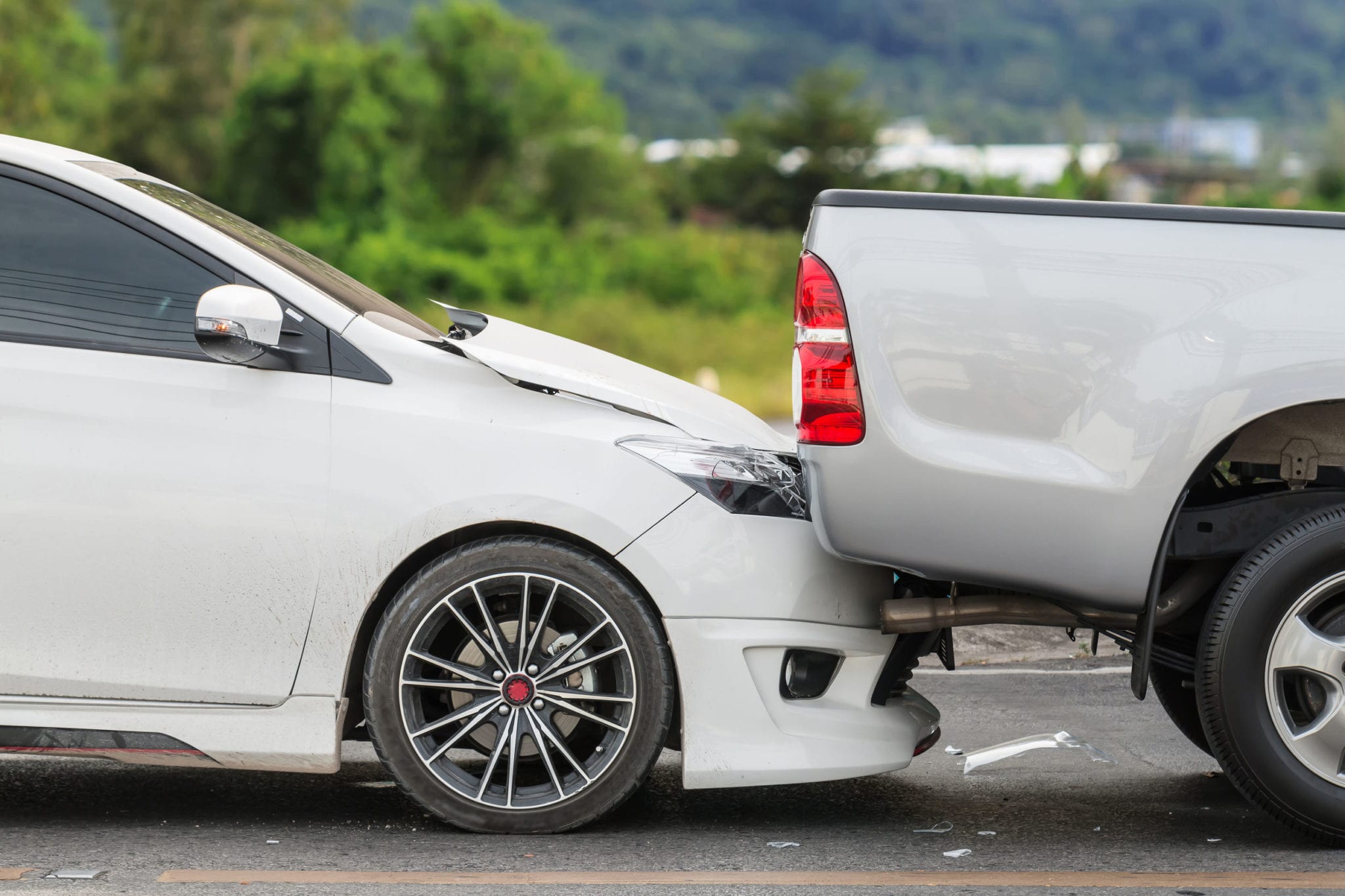
I Rear Ended Someone Who Slammed Their Brakes In Tx Who S Liable Fulgham Hampton Law Group

I Ve Been In A Car Accident In Bc Now What
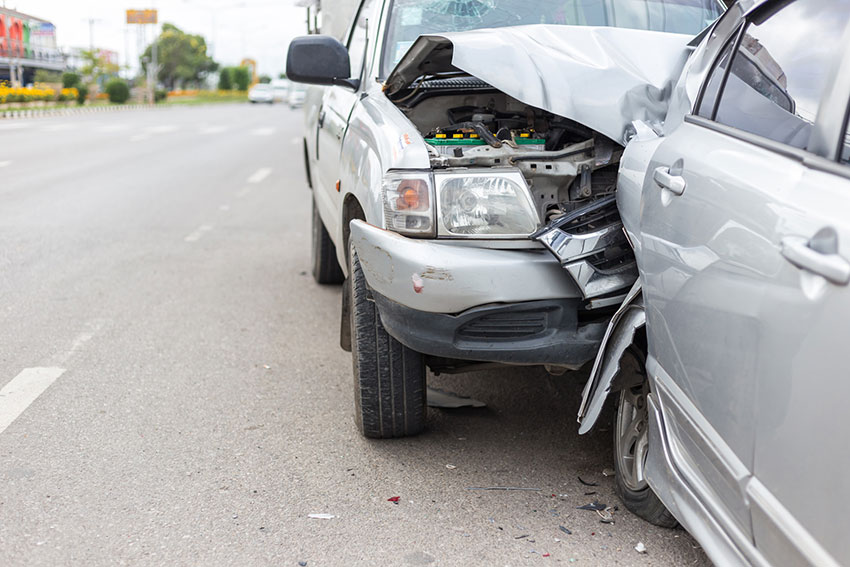
Got In A Rear End Collision Here S What To Do And How To Avoid Them

Msp Patrol Vehicle Rear Ended During Traffic Stop
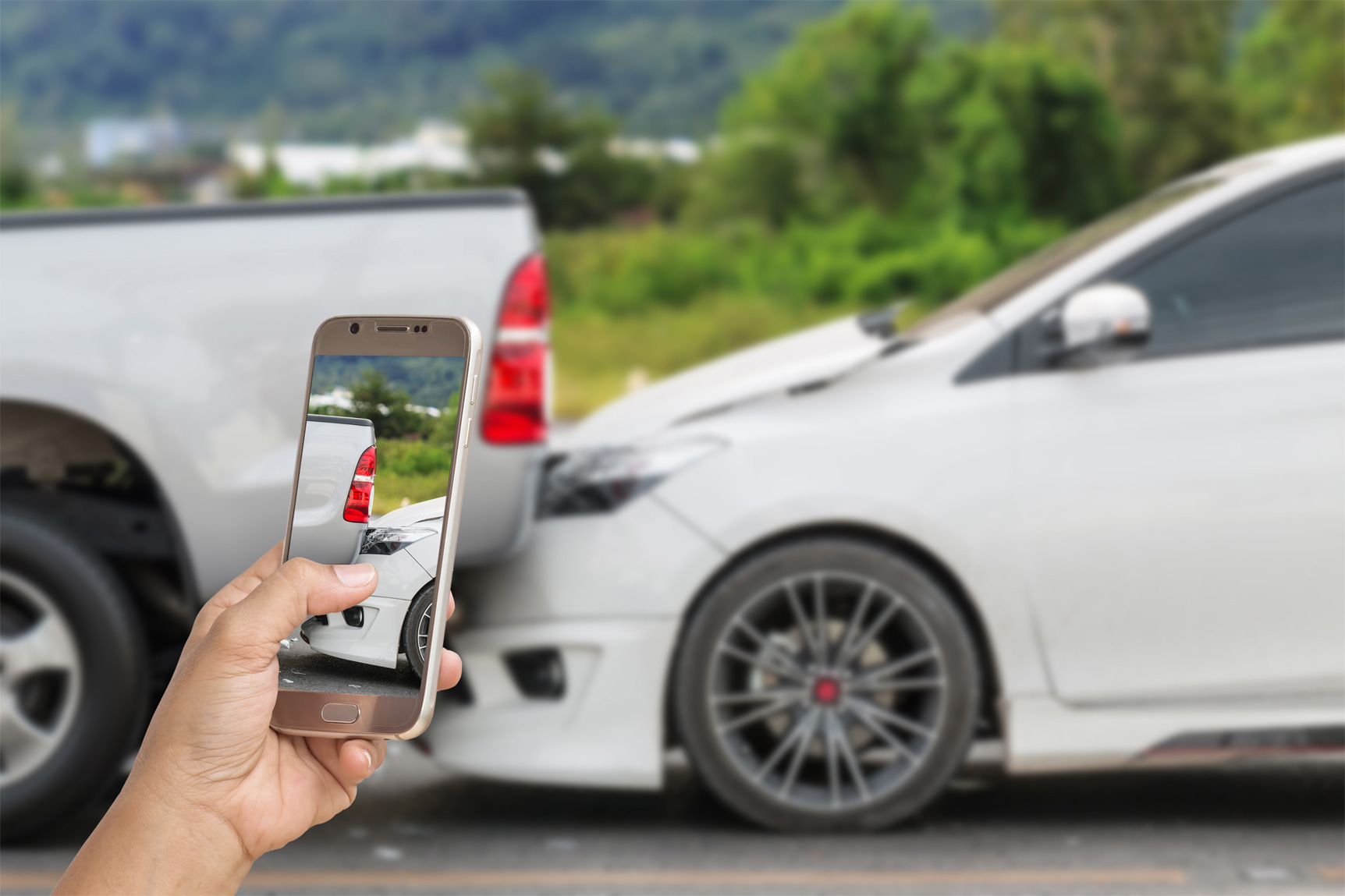
Paying More For Insurance After A Car Accident Nirwan Law Corporation

Who S At Fault In A Rear End Collision Auto Accident Claims Guide

Are You At Fault If You Have A Car Accident Caused By Snow Or Ice
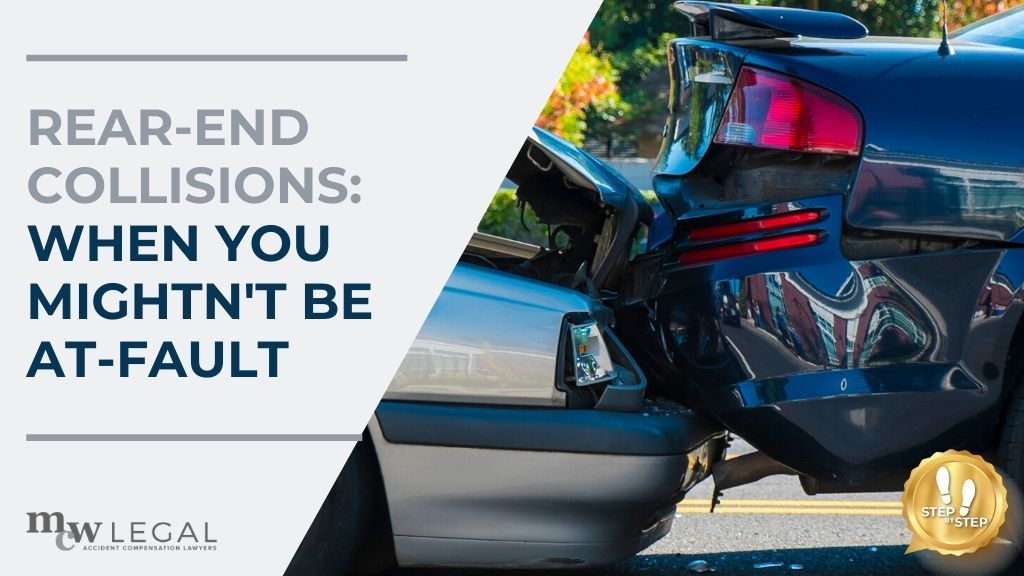
Rear End Collision Why You Might Not Be At Fault Mcw Legal

Rear End Crash With Two Vehicles
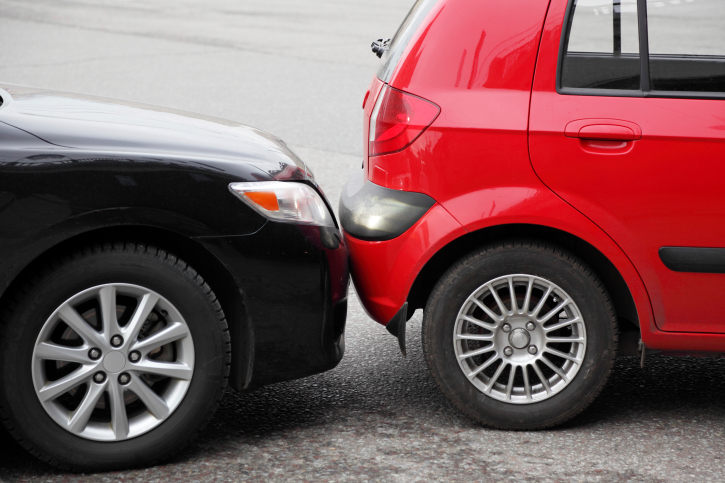
Rear Ended Collision In Vancouver Get Help With Icbc Claims
Rear End Collision Injury Lawsuits

Her Car Was Totalled In A Rear End Crash Caught On Dash Cam So Why Wasn T The Other Driver Charged Cbc News

How To Avoid A Rear End Collision Ratesdotca

Average Icbc Settlement For Rear Ender Hergott Law
I Was Rear Ended And Then Pushed Into The Car In Front Of Me Am I At Fault For This Car Accident Lem Garcia Law
Rear End Collisions Chicago Car Accident Lawyer Coplan Crane
Car Accident Not All Kinds Will Make Your Insurance Go Up Forbes Advisor